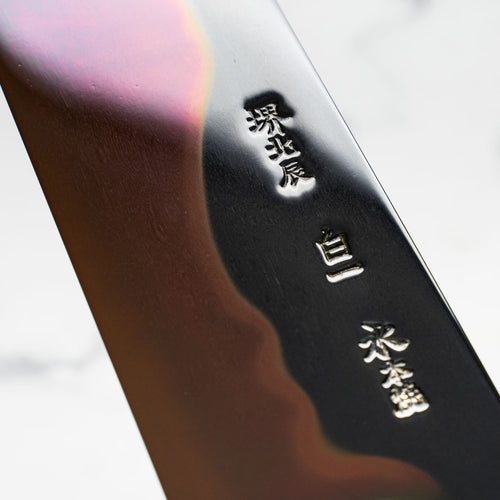
Should your first Japanese knife be a Gyuto or a Santoku? Both are excellent, both handle everything you need in the kitchen, and the choice comes down to what you cut most. Here is how to make your pick.
Santoku, the smaller version
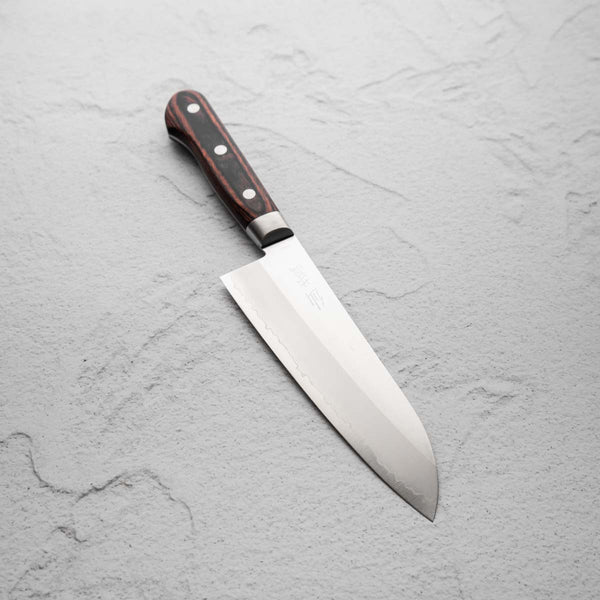
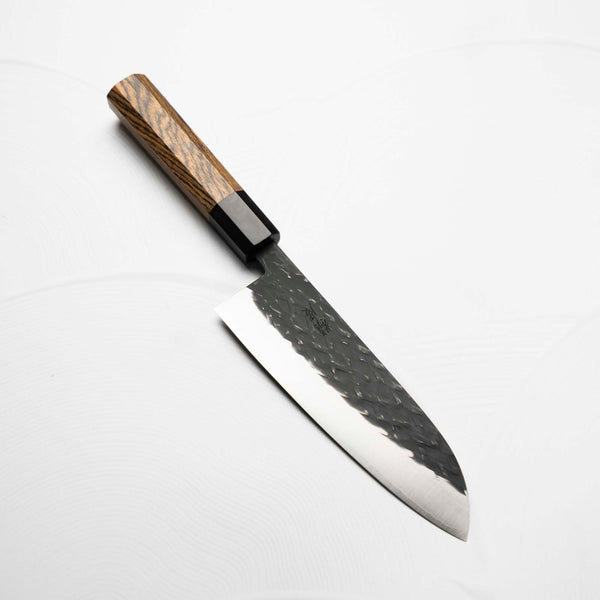
The Santoku is essentially the smaller version of the Gyuto. If you don't cut a lot of larger proteins or meats and your prep is mainly veg, the Santoku might be the best thing for you. Small, nimble, and perfect for the small everyday job. It will usually have a rounded profile, perfect for push cutting, rock chopping, or finer work with the tip.
Gyuto, for larger proteins
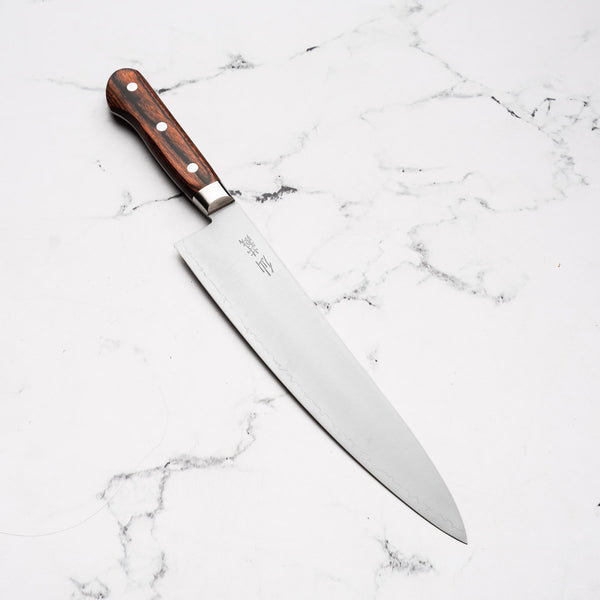
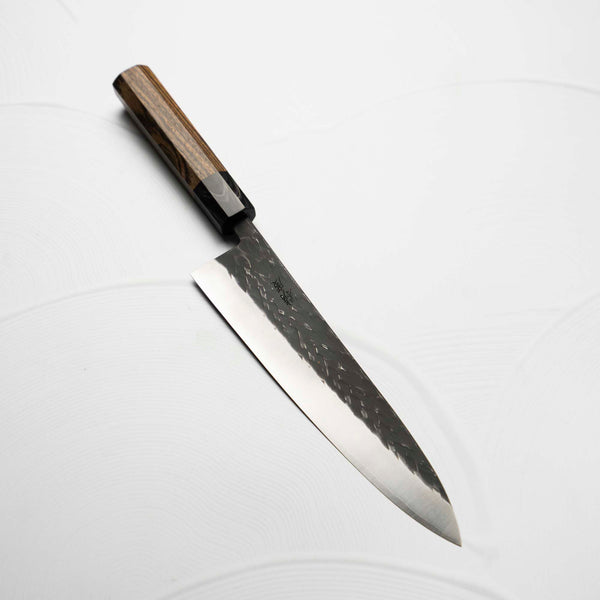
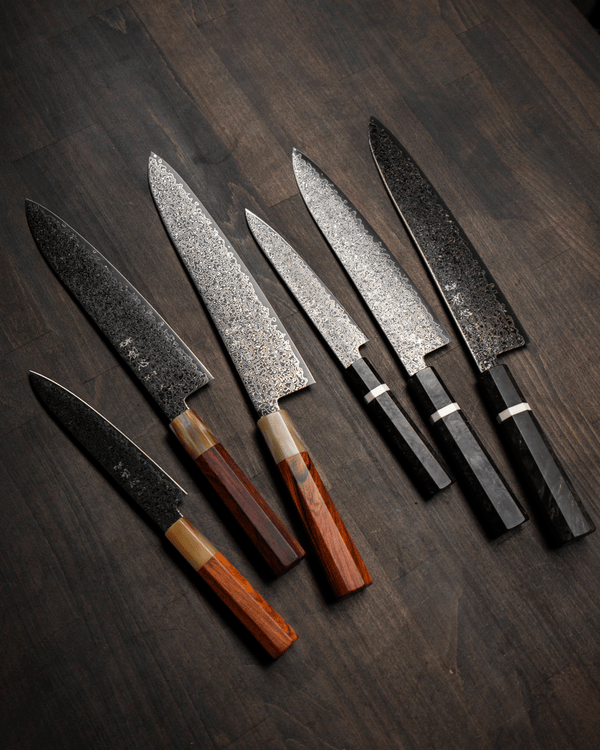
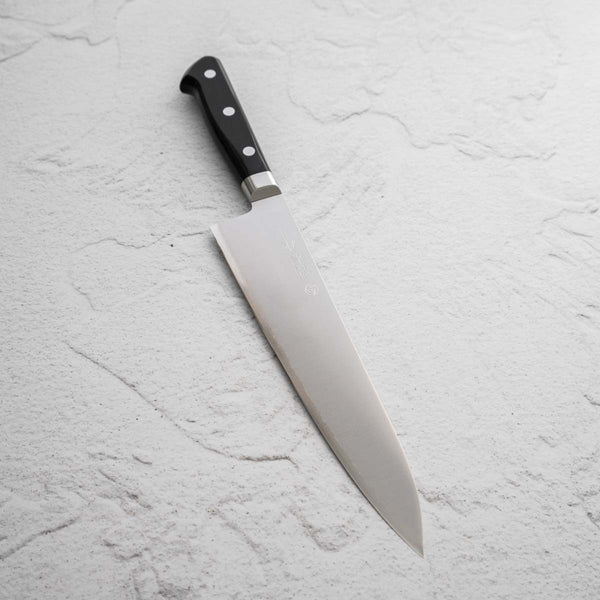
Now the moment we start talking about larger proteins, the Gyuto is going to be good. A longer, slender blade profile, perfect for portioning meats. At the same time, it retains that usability for everyday prep as well.
Blade length
A good blade length for a Gyuto is anywhere between 200 to 210 millimeters, or if you prefer a bigger knife, 240 millimeters will also do the trick. The Santoku, generally between 160 and 180 millimeters in blade length. This generally means it is not as well suited for the larger proteins and larger cutting jobs.
The pick
There you have it. Smaller everyday prep for the Santoku, larger meats plus everyday prep for the Gyuto. Both are great first Japanese knives, so pick the one that suits how you cook. If you want a hand choosing, browse our full Japanese chef knife range or reach out and we will be happy to help.