
-
Shop Knives
-
Brands/Blacksmiths
- Blenheim Forge
- CCK
- Fujiwara Kanefusa FKM (Seki Souma)
- HADO
- Hajimaru
- Hatsukokoro
- Higonokami (Folding Knife)
- Hinoura Hamono
- Kajibee
- Kataoka
- Kei Kobayashi
- Kisuke
- Kyohei Shindou
- Leszek Sikon
- Masakage
- Masamoto Sohonten
- Masutani
- Matsubara Hamono
- Morihei
- Naohito Myojin
- Naoki Mazaki
- Nigara Hamono
- Okeya
- Sakai Kikumori
- Sakai Takayuki
- Shigefusa
- Shigeki Tanaka
- Satoshi Nakagawa
- Seido
- Shiro Kamo
- Shizu Hamono
- Shoichi Hashimoto
- Suncraft
- Tadafusa
- Tadokoro Hamono
- Takamura
- Takayuki Shibata
- Takeshi Saji
- Tetsujin Hamono
- Tojiro
- Toshihiro Wakui
- Tsunehisa
- Yoshikane
- Yoshimi Kato
- Yu Kurosaki
-
Knife Types
- Bread Knives
- Bunka (General Purpose)
- Cleaver (General Purpose)
- Deba (Fish - Single Bevel)
- Gyuto (General Purpose)
- Higonokami (Folding Knife)
- Honesuki (Poultry - Single Bevel)
- Honyaki
- Kiritsuke (General Purpose)
- Nakiri (Vegetables)
- Petty (Utility)
- Santoku (General Purpose)
- Steak/Table Knives
- Sujihiki (Protein - Double Bevel)
- Yanagiba (Protein - Single Bevel)
- Specialty
-
Steel Types
-
Budget
Knife SetsSharpening GearAccessories & ToolsTable & Cookware -
- Log in
-
My cart0

(3)
Okeya Ginsan Gyuto 210mm - Ebony
Share
Knife Specifications
We strive to provide accurate measurements and photographs of our products. However, due to the handmade nature of many items slight variations may occur.
Style
Gyuto
Blade Material
Ginsan Stainless Steel
Handle Material
Octagon Ebony
Bevel
Double Bevel
Maintenance Level
Medium
Edge Length
210mm
Overall Length
350mm
Spine Thickness
1.5mm @ Mid
Blade Height
45mm
Weight
127g
HRC
~61
An In depth look
Blade Type
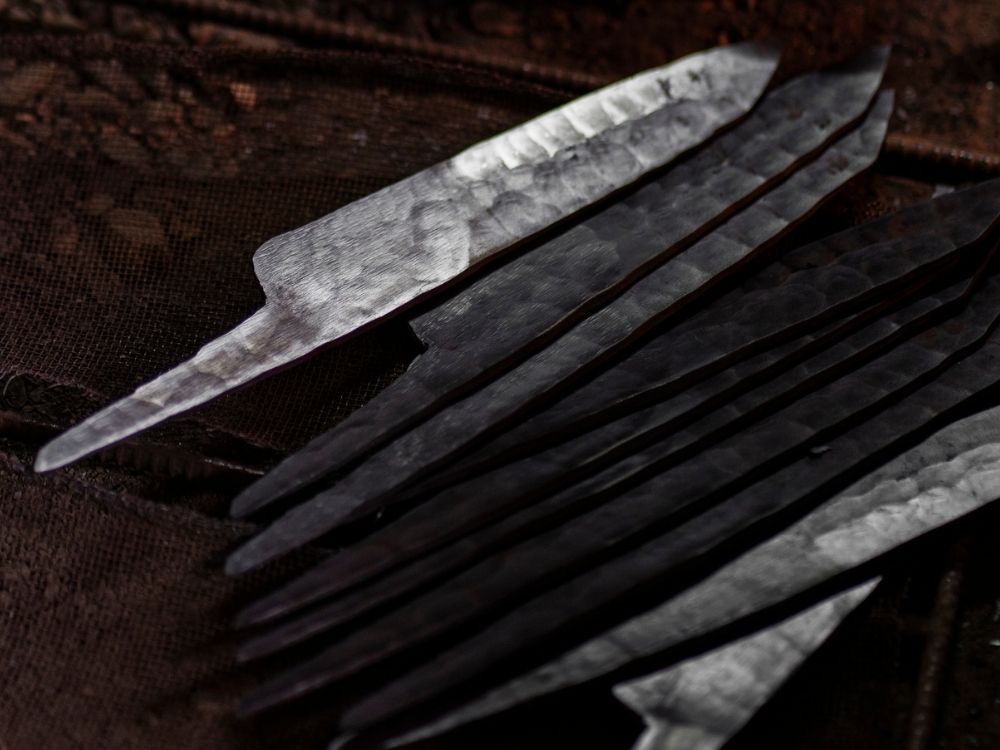
The Gyuto is the do-it-all, general purpose chef's knife. If you are looking for an all-rounder that can handle daily veg and protein prep and portioning, this is the one! A 210mm edge length is the most common, but try a 240mm if you prefer larger knives.
Steel Type
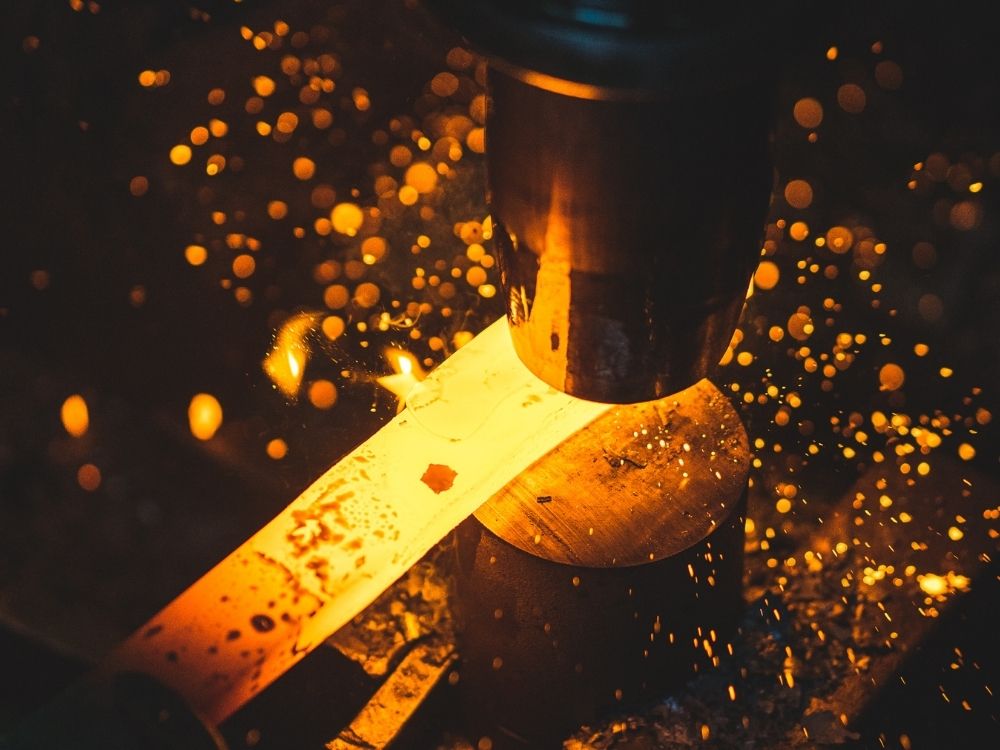
Japanese Ginsan steel, also known as Silver-3 or G3, is an underrated high-grade semi-stainless steel loved by many for being in the ‘goldilocks zone’ of knife steels. It holds a very respectable edge, but is effortless to sharpen. It is considered the semi-stainless version of White 2. It is the knife steel of choice for many home cooks and professional chefs alike.
Care Information
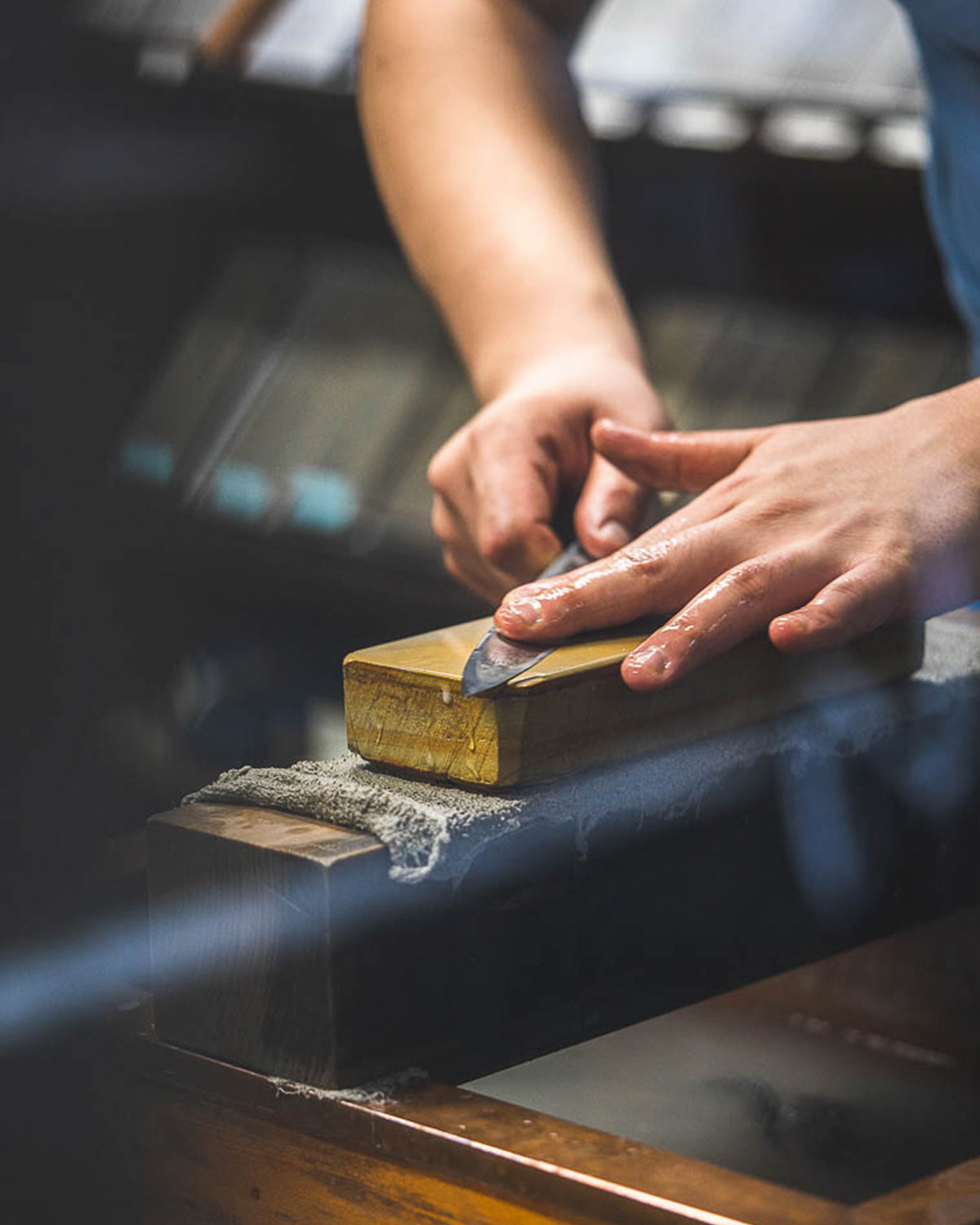
This knife is made with a stainless steel and is easy going and low on maintenance. It has high chromium content, meaning it is generally considered safe to leave wet on the board for short periods of time. is still best practice to not leave this knife to air dry as it's stain-less not stain-none! Wipe down after washing the knife and store away from any sources of moisture.

Introducing
Okeya
Knife maker Okeya crafts his blades in the town of Miki. Okeya-san's grandfather began making what's known in Japanese as "kogatana" — small, versatile knives designed for everyday tasks.
These days, Okeya-san produces chef's knives as well. Now in his mid-40s, he's recently been joined by his son at the workshop. Their ambition is to keep growing the business, which is why they're planning to add more kitchen knives to the lineup, including gyutos, santokus, and nakiris.
The blades are roll-forged and then lightly hammered before heat treatment, giving them their characteristic appearance. The Fujiwara family specializes in so-called ko-gatana knives (small single-bevel blades), so they tend to forge smaller pieces like ko deba and kaisaki knives. The father still focuses on those traditional styles, while Akihito Fujiwara (his son) has set up his own workshop next door, where he grinds and sharpens double-bevel knives.
It make me really excited every time
Well performing knife with great aesthetics.
Sexiest knife ive have the pleasure of owning